Top 10 Disposable Vape Distributor Options for Your Business Needs
In the rapidly evolving market of vaping, selecting the right Disposable Vape Distributor is crucial for business success. With numerous options available, it can be overwhelming to find a reliable partner. It’s essential to consider various factors like product quality, customer support, and pricing.
Understanding the nuances of the vape industry is vital. Not all distributors offer the same level of service or product variety. Some may excel in certain regions or demographics, while others might lack essential features. Businesses must ensure they align with a distributor that meets their specific needs.
Evaluating distributors is not just about costs but also about building partnerships. Reliable distributors often provide expert insights into market trends. They can guide you in making informed decisions. This experience helps in avoiding potential pitfalls. Your choice of a Disposable Vape Distributor can significantly influence your long-term success. Choosing wisely can impact your business’s reputation and customer loyalty.
Understanding Disposable Vapes: A Comprehensive Overview for Distributors
Understanding the landscape of disposable vapes is essential for distributors. This product category has gained popularity due to its convenience and variety. Disposable vapes come in numerous flavors, designs, and nicotine strengths. Each variant targets different consumer preferences. Distributors must stay informed about these trends to succeed.
Choosing the right supplier can impact your business significantly. When considering options, evaluate their product quality and variety. Ensure that they follow safety protocols. Look for suppliers who provide transparent information about their products. Reliability is key to maintaining a good reputation.
Tips for choosing a distributor: research market reviews before making decisions. Connect with others in the industry to gain insights. Also, consider the ease of communication with potential suppliers. Prompt responses can indicate a distributor's reliability. Remember, the right choice enhances customer satisfaction and drives repeat business.
Top 10 Disposable Vape Distributor Options
This chart illustrates the market share distribution among the top 10 disposable vape distributors. The data reflects the percentage of market presence of each distributor, providing insights into the competitive landscape of the disposable vape industry.
Criteria for Selecting the Best Disposable Vape Distributors for Businesses
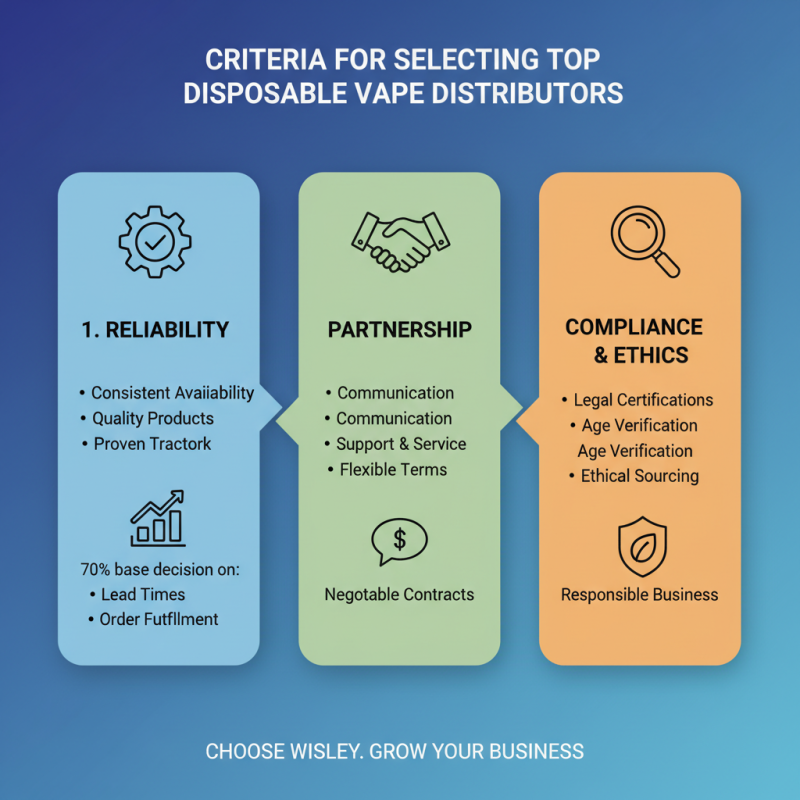
When selecting disposable vape distributors, several criteria come into play. First, reliability is key. A good distributor should have a track record of consistent availability and quality. Research indicates that 70% of businesses factor in lead times and order fulfillment rates before making a decision. Long wait times can result in lost sales.
Additionally, product variety plays a significant role. Distributors should offer a wide range of flavors and nicotine options. According to market studies, around 55% of consumers express preference for diverse choices. A limited selection might deter potential customers.
Lastly, consider the distributor's transparency. This includes clear pricing structures and comprehensive product information. Studies reveal that 65% of retailers prioritize distributors who provide easy access to relevant data. Such transparency influences trust and long-term relationships. Selecting the right distributor requires a balance of these factors and thoughtful consideration.
Top 10 Disposable Vape Distributors: Features and Offerings Reviewed
When selecting a disposable vape distributor, key features matter. A distributor’s product range, pricing, and shipping times significantly influence business success. Market data shows that over 50% of retailers prioritize timely deliveries. Fast service enhances customer satisfaction and repeat purchases.
Consider a distributor’s pricing structure. Competitive pricing can improve profit margins. Reports indicate that retailers often switch distributors to find better deals. However, quality cannot be compromised. Low-quality products can damage your brand's reputation.
Tips: Evaluate multiple distributors before making a choice. Request samples to assess product quality. It’s also wise to check reviews and testimonials from other businesses. This practice helps in selecting a reliable partner.
Most distributors offer a mix of popular and niche products. Both categories can attract different customer segments. However, not every product lines up with current trends. Staying informed on market shifts is crucial. Analytics from industry reports frequently change; this creates challenges in inventory management.
Seeking a distributor who can adapt swiftly to changes may offer an advantage. The right partnership can transform your business endeavors substantially, balancing risk and opportunity.
Evaluating Pricing Strategies and Profit Margins for Disposable Vapes
When evaluating the pricing strategies for disposable vapes, businesses must consider various factors. A recent industry report indicated that the average profit margin in this sector can range from 20% to 50%. This variation depends largely on the quality of the product and the target market. Premium disposable vapes typically command higher prices, which can significantly enhance profitability. However, entering a saturated market may compress margins, necessitating careful pricing strategies.
Understanding the purchasing behavior of consumers is crucial. For instance, attractive packaging and branding can influence perceived value. Research shows that 65% of consumers are willing to pay more for eco-friendly options. This trend highlights an opportunity for distributors to differentiate their products. Yet, it also complicates pricing models. Companies must balance appealing pricing with the costs of sustainable materials. Therefore, continuous monitoring of market trends and consumer preferences is essential. Operators should reflect on their strategies regularly. What works today may not hold tomorrow. Engaging with customer feedback can illuminate areas needing improvement.
Navigating Legal Considerations for Distributing Disposable Vapes in the Market
Navigating the legal landscape of distributing disposable vapes can be complex. Various regulations can differ significantly by region. It's essential to understand these laws thoroughly before entering the market. Ensure that your business complies with local age restrictions and labeling requirements. Doing so will not only protect your business but also foster trust among consumers.
Moreover, consider the nuances in the packaging and marketing of these products. Regulations often dictate how products can be advertised, including restrictions on appealing to youth. This can challenge marketers who wish to promote their offerings. Pay careful attention to potential legal pitfalls that could arise from non-compliance. Regularly reviewing updates in legislation will help maintain adherence and mitigate risks.
Establishing strong relationships with legal experts is crucial. They can provide valuable insights into the ever-changing regulations. Seeking their guidance will enhance your understanding of the market's legal framework. Building a compliant business structure is not just about following rules—it's about ensuring your brand’s integrity and longevity in a competitive landscape.