What is a Vape Cartridge and How Does It Work?
The Vape Cartridge is a crucial component in the vaping industry, serving as a delivery system for cannabinoid oils and other liquids. According to a report by Grand View Research, the global vape cartridge market was valued at approximately $3.4 billion in 2021, with a projected compound annual growth rate (CAGR) of over 27% from 2022 to 2030. This significant growth is driven by the rising popularity of vaping as an alternative to traditional smoking.
Understanding how a Vape Cartridge operates is essential for users seeking to maximize their experience. These cartridges typically contain a heating element and a chamber filled with e-liquid or oil. When activated, the heating element vaporizes the liquid, allowing the user to inhale the vapor. However, it is important to note that not all cartridges are created equal. Quality can vary significantly, influencing both performance and safety. Research indicates that poorly manufactured cartridges may carry risks, prompting consumers to be vigilant in their selection.
As the industry evolves, the technology behind Vape Cartridges continues to advance. Innovations aim to improve flavor delivery and reduce harmful byproducts. However, questions remain about the long-term health effects of vaping. Consumers must scrutinize their options and stay informed about emerging research in this dynamic market.
What is a Vape Cartridge? Definition and Components Explained
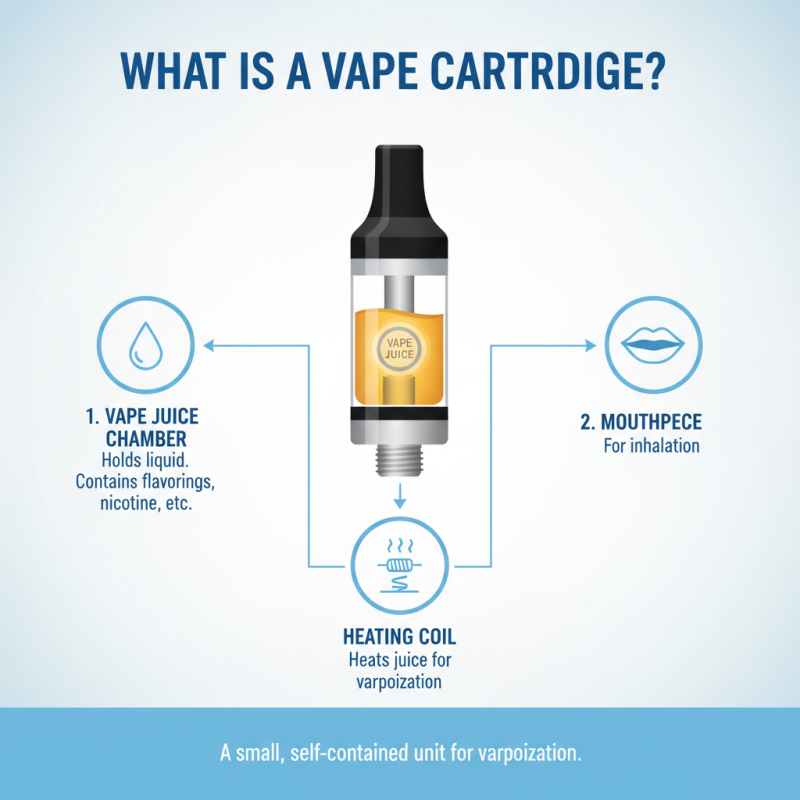
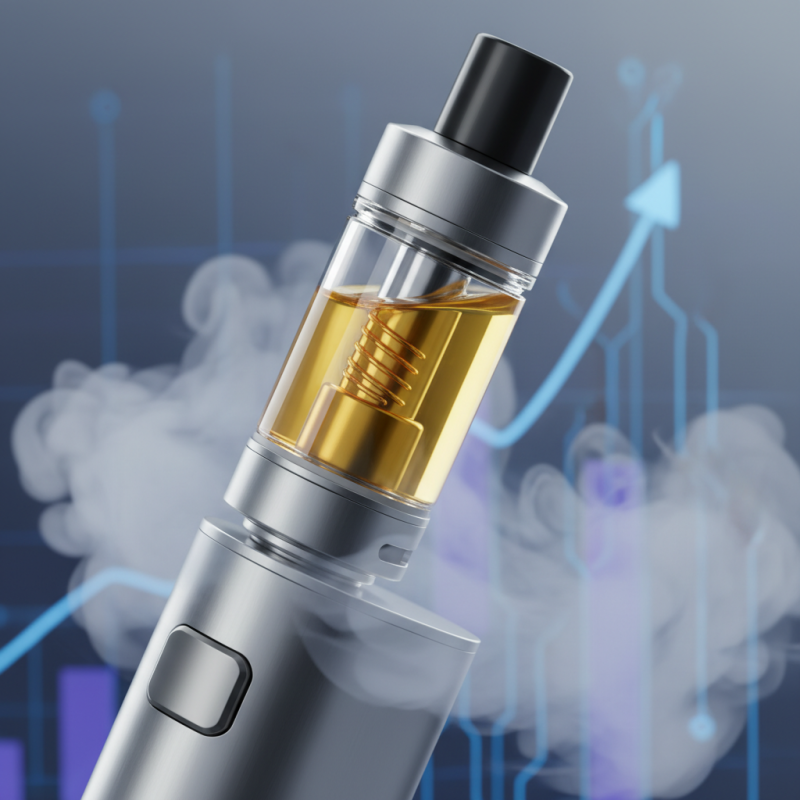
A vape cartridge is a small container that holds liquid designed for vaporization. These cartridges typically consist of two main components: the chamber for the vape juice and a mouthpiece for inhalation. The vape juice can contain different ingredients, such as flavorings or nicotine, and is heated by a coil inside the cartridge.
Understanding the components is vital for users. The chamber must be airtight to prevent leakage. The coil needs to be of good quality to ensure effective vapor production. Many novice users might overlook these aspects, leading to a subpar vaping experience.
Tips for selecting a cartridge include checking the material quality and construction. Look for cartridges made of durable glass instead of plastic. Proper storage and handling of cartridges enhance their lifespan and performance. Ensure your cartridge is compatible with your battery to avoid any malfunctioning. Always keep an eye on expiry dates to ensure quality. Small details like these can make a significant difference in your vaping experience.
Types of Vape Cartridges: Clearomizers, Pre-filled, and Refillable Options
Vape cartridges come in various types, including clearomizers, pre-filled, and refillable options. Clearomizers are popular among users who prefer customizable experiences. They allow users to choose their own e-liquids, adjusting flavors and nicotine strengths. According to a 2021 market report, clearomizers accounted for approximately 35% of the vape cartridge market.
Pre-filled cartridges are convenient for those seeking simplicity. They come ready to use, eliminating the need for refilling. This option is often favored by beginners, as it requires less maintenance. However, it can be more expensive over time. Data suggests that pre-filled cartridges make up nearly 50% of the market share, indicating their widespread appeal.
Refillable cartridges provide flexibility and can save money in the long run. Users can fill them with their chosen liquids. However, they require more effort to maintain. Some users may struggle with proper filling techniques, leading to potential leaks or inconsistent performance. Industry insights show that a significant portion, around 15%, still prefers refillable cartridges, cherishing the control they provide despite the challenges.
How Vape Cartridges Function: The Mechanism of Vaporization
Vape cartridges are compact devices designed for vaporizing liquids. They contain a small chamber filled with a e-liquid mixture, typically made of vegetable glycerin, propylene glycol, and flavorings. When a user inhales, a battery heats a coil within the cartridge. This process converts the liquid into vapor through the heat generated by the coil.
The mechanism of vaporization relies on several factors. Temperature control is vital, affecting vapor quality. If the coil gets too hot, it can burn the liquid, leading to a harsh taste. Conversely, not reaching the right temperature might result in insufficient vapor. Users often experiment to find the ideal balance, demonstrating the subjective nature of vaping experiences. It is crucial to choose cartridges that suit individual preferences to achieve a more satisfying experience.
While vape cartridges are generally simple to use, not all users understand their components. Quality of materials in cartridges can vary significantly. Choosing a reliable source for cartridges can ensure better performance and health safety. Like any device, understanding how cartridges function enhances the vaping experience. It highlights the need for informed choices amid a variety of options on the market.
Key Ingredients in Vape Cartridges: CBD, THC, and Essential Oils
Vape cartridges are popular among consumers seeking alternative options for relaxation and wellness. The key ingredients in these cartridges often include CBD, THC, and essential oils. CBD, or cannabidiol, is a non-psychoactive compound derived from hemp plants. According to a report by the Hemp Business Journal, the CBD market is projected to reach $22 billion by 2022. This projection highlights the growing consumer interest in natural products.
THC, or tetrahydrocannabinol, is the psychoactive component in cannabis. It is known for its potential benefits, such as pain relief and appetite stimulation. Studies suggest that the ratio of CBD to THC can significantly influence the effectiveness of a vape cartridge. For instance, some users prefer a higher CBD ratio for anxiety relief without the psychoactive effects of THC.
Essential oils add an aromatic element to vape cartridges. These oils are derived from plants and can enhance the overall experience. They provide additional therapeutic benefits, such as relaxation or energy boost. However, the lack of regulation in the essential oil industry raises concerns about purity and safety.
While many users enjoy the benefits of vape cartridges, awareness of ingredient sourcing is essential. Not all products are created equal. Transparency in ingredient labeling is crucial. Consumers must consider their health and safety when choosing vape options.
What is a Vape Cartridge and How Does It Work? - Key Ingredients in Vape Cartridges: CBD, THC, and Essential Oils
| Ingredient |
Description |
Source |
Common Uses |
| CBD |
Cannabidiol, a non-psychoactive compound found in cannabis. |
Hemp and Cannabis plants |
Used for relaxation, anxiety relief, and anti-inflammatory effects. |
| THC |
Tetrahydrocannabinol, the main psychoactive compound in cannabis. |
Cannabis plants |
Used for pain relief, euphoria, and appetite stimulation. |
| Essential Oils |
Concentrated plant extracts that capture the natural aroma and flavor. |
Various plants (e.g., lavender, peppermint) |
Used for flavoring, aromatherapy, and health benefits. |
| VG |
Vegetable Glycerin, a thick liquid used as a base in vape liquids. |
Derived from plant oils |
Used to create vapor and sweetness in e-liquids. |
| PG |
Propylene Glycol, a thinner liquid that enhances flavor delivery. |
Synthetic compound |
Used as a flavor carrier in vape fluids. |
Industry Statistics: The Growth of the Vape Cartridge Market and Trends
The vape cartridge market has seen significant growth in recent years. With a surge in demand, industry statistics reveal an upward trend in sales. The convenience of using cartridges attracts many users. They are small, portable, and easy to use, which appeals to both beginners and experienced users. Moreover, the variety of flavors available enhances user experience.
However, this rapid growth raises some concerns. Quality control often varies, leading to inconsistent products in the market. Users may find themselves unsure about the safety and reliability of different cartridges. As the market expands, so does the need for better regulations. Consumers deserve assurance regarding product safety and effectiveness. Education is essential for users to make informed choices. Understanding the differences in cartridges can prevent potential dissatisfaction or health risks.
Despite the issues, the vape cartridge market continues to innovate. New technologies and designs emerge regularly. This creates a dynamic landscape that can be both exciting and overwhelming. Consumers must remain vigilant and seek out trustworthy sources of information. As trends evolve, users should reflect on their choices and prioritize quality over quantity.