What is a Vape and How Does It Work?
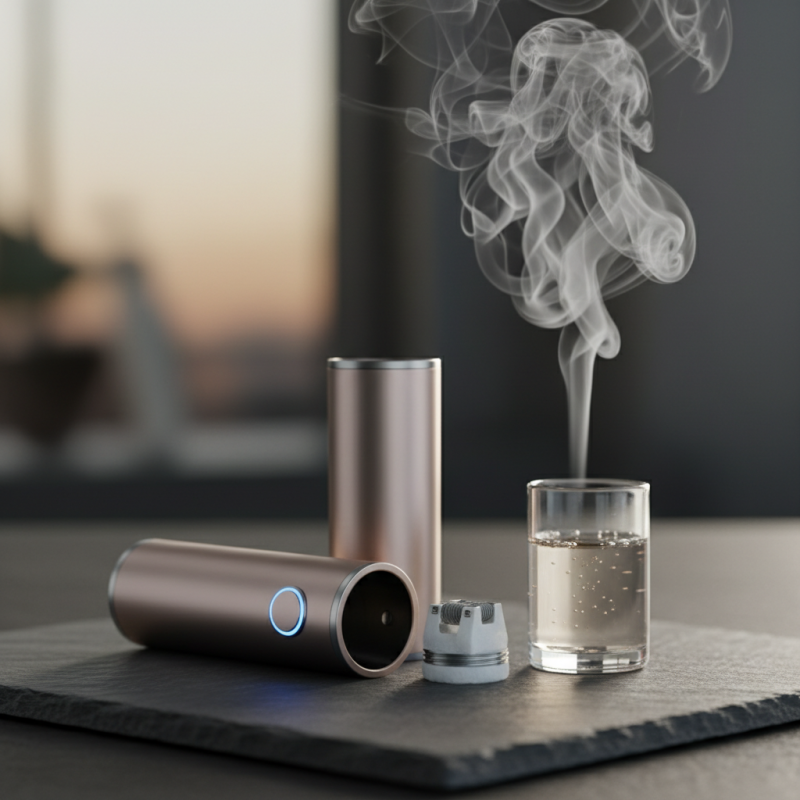
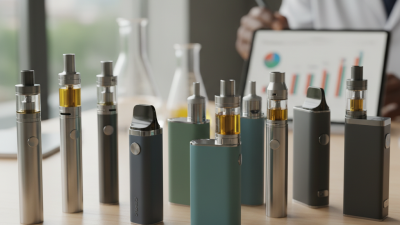
Vaping has become a popular alternative to traditional smoking. A vape is an electronic device that vaporizes a liquid. This liquid often contains nicotine, flavorings, and other chemicals.
Users inhale this vapor, which is different from smoke. The experience can mimic smoking but is often perceived as cleaner. However, there are still health concerns associated with vaping. Some argue that it is a safer option, while others warn of potential risks.
Understanding how a vape works is crucial. It involves a battery, a heating element, and a tank. The heating element heats the liquid, creating vapor. But the long-term effects are still uncertain. This leads to an ongoing debate about safety and regulation. Users should reflect on their choices and be aware of their health.
What is a Vape? Understanding the Basic Definition and Components
Vaping has become a popular alternative to traditional smoking. But what exactly is a vape? Essentially, a vape is a device that heats a liquid, known as e-liquid or vape juice, to create vapor. This vapor is then inhaled by the user. The composition of e-liquid typically includes a base (propylene glycol or vegetable glycerin), flavorings, and sometimes nicotine.
Understanding the components is crucial. Most vapes consist of a battery, an atomizer, and a tank or cartridge. The battery powers the device and heats the coil within the atomizer. This coil vaporizes the e-liquid stored in the tank. A 2022 report from the American Vaping Association noted that over 10 million adults in the U.S. use vaping as a smoking alternative. Yet, the absence of long-term studies creates uncertainty about vaping's health implications.
Despite their popularity, vapes aren't without controversy. Many users underestimate the risks involved, especially concerning nicotine addiction. A study published by the National Institute on Drug Abuse highlighted that about 30% of youth who vape move on to traditional tobacco products. This raises questions about the long-term consequences of vaping. People must reflect on their choices and the effects on their health.
Vape Usage Trends Over Time
This bar chart illustrates the trends in vape usage among different age groups from 2018 to 2023. The data indicates an increase in usage among younger demographics, highlighting a significant shift in vaping popularity over the years.
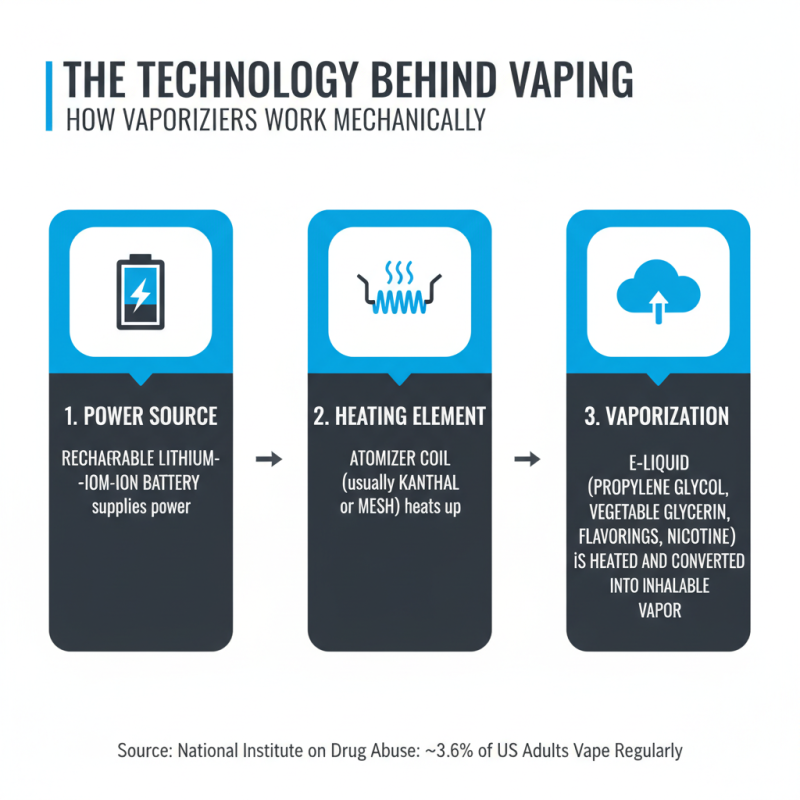
The Technology Behind Vaping: How Vaporizers Work Mechanically
Vaping technology relies on mechanisms that create vapor for inhalation. At its core, a vaporizer heats a liquid solution, usually containing nicotine, flavorings, and other ingredients. This process transforms the liquid into an inhalable vapor. A report by the National Institute on Drug Abuse indicates that approximately 3.6% of adults vape regularly. This growing trend emphasizes the need to understand how vaporizers function.
Inside most devices, a coil heats up when powered on. The coil, often made from stainless steel or nickel, reaches high temperatures almost instantly. This rapid heating causes the liquid to vaporize. The result is a flavorful product ready for inhalation. However, not all vaporizers perform optimally. Some may not heat evenly, leading to either dry hits or burnt flavors.
Temperature control is vital for a good vaping experience. High temperatures can produce harmful compounds, such as formaldehyde. Research shows that maintaining proper heat levels ensures a safer vape. Many users may overlook this, leading to unsatisfactory outcomes. The intricate balance of temperature and liquid composition is essential. Overall, awareness can enhance user satisfaction while minimizing potential risks.
Types of Vapes: Disposables, Mods, and Pod Systems Explained
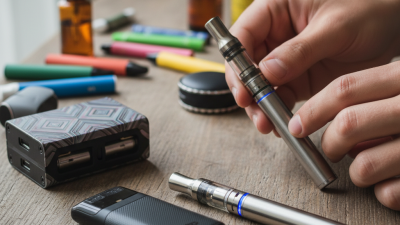
Vaping has transformed the way people consume nicotine. Various types of vapes cater to different preferences.
Disposable vapes are convenient and ready to use straight from the package. They are ideal for beginners who want to try vaping without a commitment.
Market research indicates that the disposable vape market is growing rapidly, with a 45% increase since last year.
Mods are more advanced devices. They offer customization options like temperature control and wattage adjustments. These units appeal to experienced users who enjoy tailoring their vaping experience.
According to a recent study, almost 30% of vapers prefer mods for their flexibility and enhanced flavor profiles.
Pod systems blend both categories. They are portable and easy to use while still delivering satisfying nicotine levels. These devices have gained popularity among former smokers transitioning to vaping.
As per industry reports, pod system sales grew by 35% last year, reflecting their rising appeal.
Tips: Always choose the right nicotine strength for your needs. Those new to vaping might start lower and adjust based on their preference. Remember, understanding your device can enhance your experience. Experimenting with different e-liquid flavors can also lead to surprising discoveries.
The Chemistry of Vaping: Key Ingredients in E-Liquids and Their Effects
Vaping has gained popularity, but what are the key ingredients in e-liquids? Understanding their effects is crucial. E-liquids typically contain basic components: propylene glycol, vegetable glycerin, nicotine, and flavorings. Each serves a specific purpose in creating the vaping experience.
Propylene glycol is a common base. It helps create vapor and carries flavors. Some users report a slight throat hit, enhancing the feeling of smoking. However, not everyone reacts the same way. Some may experience throat irritation or allergic reactions.
Vegetable glycerin, on the other hand, produces thicker vapor clouds. It's sweet and can lead to a sticky residue, which might require cleaning the device more often.
Nicotine is a key ingredient for many vapers. It provides the satisfying rush that many seek. Yet, nicotine can be addictive, and its long-term effects are not fully understood. Flavorings, ranging from fruity to menthol, make vaping more enjoyable. However, some flavoring agents might pose health risks that are not fully explored. It’s essential for vapers to reflect on the ingredients they inhale and their potential consequences.
Industry Trends: Statistics on Vaping Usage and Market Growth Worldwide
Vaping has surged in popularity over the past few years. Statistics reveal that millions of people globally now use vape products. In many countries, vaping is becoming a common alternative to traditional smoking. Studies indicate that the vaping market is expected to grow significantly, driven by technological advancements and changing consumer preferences. Many young adults are drawn to the variety of flavors and the perception that vaping is less harmful.
However, this growth brings challenges. Concerns about health effects remain among researchers. The long-term consequences of vaping are still unclear. Public health officials are cautious, advocating for more research into its impacts. In some regions, regulatory measures are under consideration. This is in response to rising usage rates, particularly among youth. The industry must navigate these hurdles while continuing to evolve.
The global market for vaping is expected to reach new heights. In 2023, estimates suggest rapid growth in several regions. Despite the complicated views on health and safety, the appeal of vaping endures. Many users appreciate the customization options available. Yet, the reliance on these products raises questions about future consumption patterns. As the industry develops, it will need to address these important issues.
What is a Vape and How Does It Work? - Industry Trends: Statistics on Vaping Usage and Market Growth Worldwide
| Region |
Vaping Users (Millions) |
Market Growth Rate (%) |
Estimated Market Size (Billion USD) |
Year |
| North America |
10.8 |
23.4 |
6.1 |
2023 |
| Europe |
7.5 |
20.1 |
4.3 |
2023 |
| Asia Pacific |
8.2 |
30.7 |
5.0 |
2023 |
| Latin America |
2.1 |
15.9 |
1.2 |
2023 |
| Middle East & Africa |
1.0 |
12.5 |
0.5 |
2023 |