What is a Vape Pen and How Does It Work?
A Vape Pen is a popular device used for vaping. Understanding how it works can enhance the vaping experience. These pens are often sleek and portable, making them convenient for users.
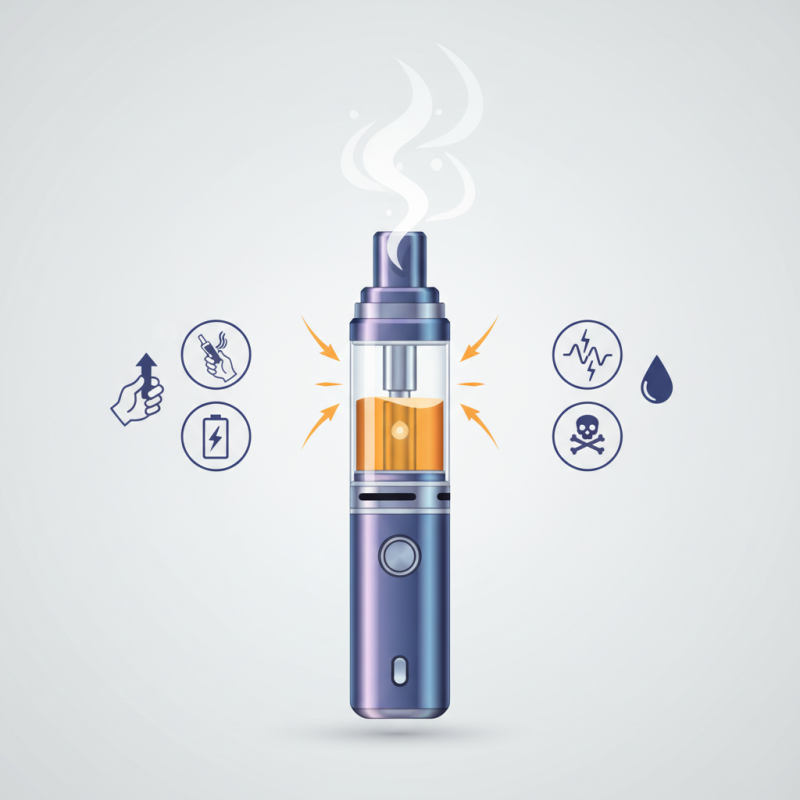
Vape Pens typically consist of a battery, a tank, and a heating element. When the user inhales, the battery activates the heating element. This process vaporizes the liquid inside the tank, producing vapor. Many users appreciate the ease of use and customization available with different liquids and flavors.
However, there are downsides to consider. Some Vape Pen users report inconsistent vapor quality. Others express concerns about the safety of vape liquids. It’s essential to be well-informed about these aspects before starting. Overall, a Vape Pen can offer a unique experience; yet, awareness of potential issues is crucial.
Definition and Components of a Vape Pen
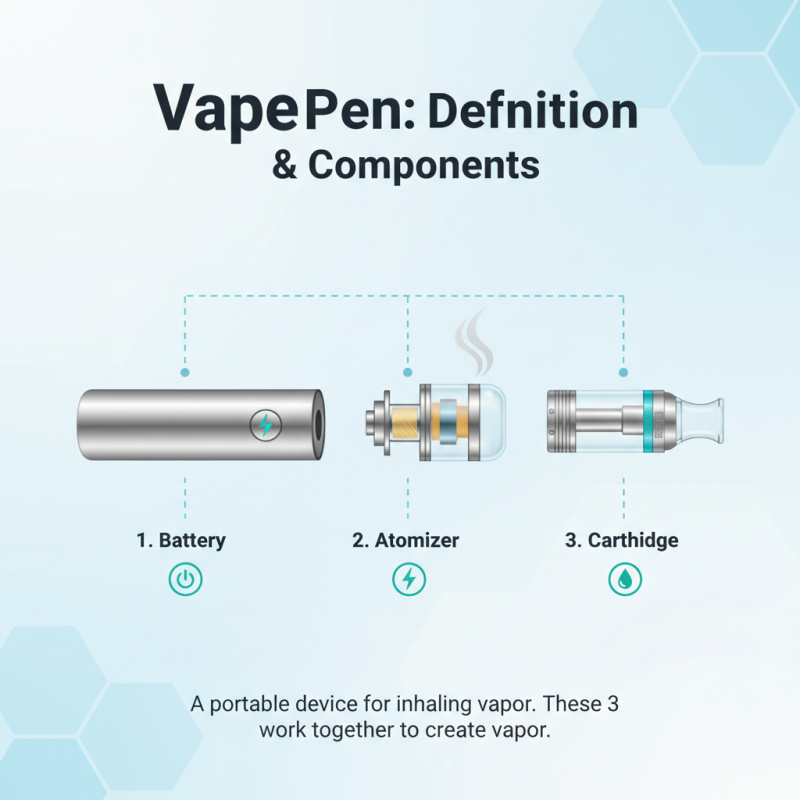
A vape pen is a compact device designed for inhaling vaporized substances. It typically consists of three main components: a battery, an atomizer, and a cartridge. Each part plays a vital role in the overall functionality of the device.
The battery powers the vape pen and is rechargeable. It provides energy to the atomizer, which heats the liquid inside the cartridge. This liquid, often called e-liquid or vape juice, may contain flavoring and other ingredients. The atomizer creates vapor by heating the e-liquid to a specific temperature. Users inhale the vapor through a mouthpiece, enjoying various flavors and experiences.
Despite their popularity, some users may find the vaping experience inconsistent. Parts can wear out quickly, impacting performance. Additionally, the concentration of ingredients can vary among different cartridges, leading to unexpected tastes. Consumers often need to experiment with different combinations to find what works best for them.
How Vape Pens Function: An Overview of the Mechanism
Vape pens are compact devices that vaporize liquid. They consist of a battery, a heating element, and a cartridge filled with e-liquid. When activated, the battery powers the heating element. This generates heat, turning the liquid into vapor. Users inhale this vapor, experiencing different flavors and sensations.
The heating process involves a few critical steps. Once you press a button or draw on the pen, the battery sends power to the coil. The coil heats quickly, evaporating the e-liquid. This transition from liquid to vapor is where the magic happens. Users often enjoy a variety of flavors, resulting in diverse experiences. However, not all vape pens work perfectly. Some devices may not heat evenly, affecting the vapor quality.
Another important aspect is maintenance. Regular cleaning and replacing parts are essential for the best performance. Over time, residue can accumulate, diminishing the experience. This is where many users falter. They may neglect upkeep, leading to subpar performance. Recognizing these details can enhance the overall vaping experience. Understanding how vape pens function empowers users to make informed choices.
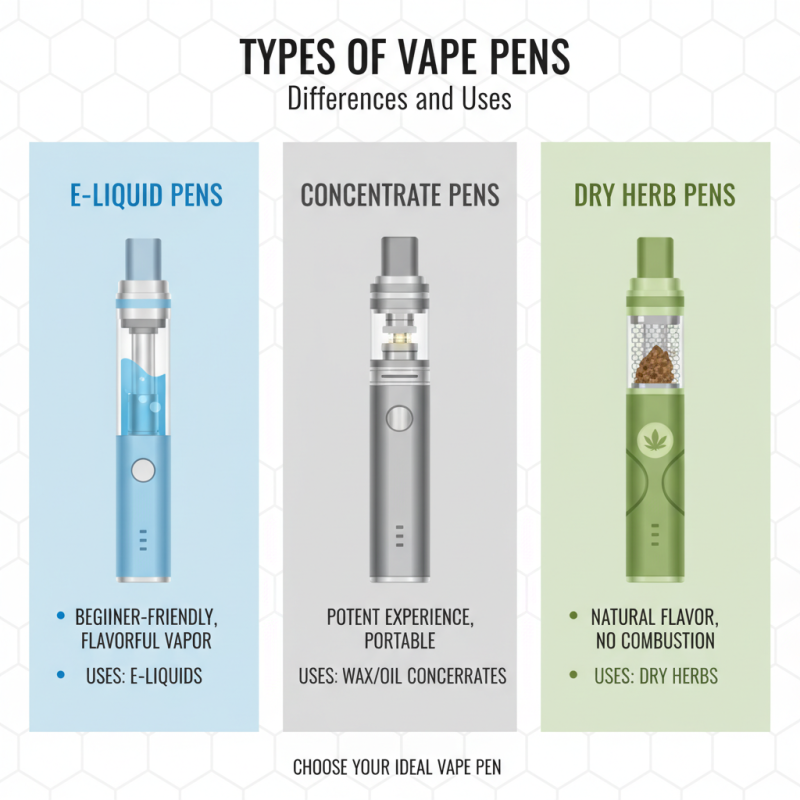
Types of Vape Pens: Differences and Uses
Vape pens come in various types, each designed for specific uses and preferences. The most common types include vape pens for e-liquids, concentrates, and dry herbs. E-liquid pens are user-friendly and ideal for beginners. They use a tank system that holds e-liquid and can produce flavorful vapor. Concentrate pens, on the other hand, are compact and efficient. They vaporize wax or oil, perfect for those who enjoy stronger experiences. Dry herb pens cater to herbal enthusiasts, providing a natural flavor profile without combustion.
When choosing a vape pen, consider the material you prefer. E-liquids provide a wide range of flavors, while concentrates offer potency. Dry herbs appeal to those seeking a more traditional experience. Make sure to evaluate the battery life as well. Some pens allow longer usage, while others may need frequent recharging. Remember, frequent use can impact battery lifespan.
Tips: Always clean your vape pen regularly. Residue buildup can affect flavor and performance. Additionally, explore different temperatures if your pen allows it. Vaping at varied heats can change the intensity and note of your experience. Finally, keep your vape pen away from extreme temperatures. Storing it properly can enhance its longevity and reliability.
Safety Considerations and Risks of Using Vape Pens
Using a vape pen may seem like a modern solution for nicotine consumption, but safety should always come first. Many users overlook the potential risks associated with vaping. Vape pens heat liquids, which contain nicotine and other chemicals, creating aerosols that users inhale. This process can expose users to harmful substances. Long-term effects remain unclear, raising concerns among health professionals.
Battery safety is another crucial aspect. Vape pens rely on lithium-ion batteries, which can overheat or malfunction. This can result in burns or even explosions. Proper care and storage of these devices are essential to avoid accidents. Users should regularly inspect their vape pens and avoid modifications that could compromise safety.
Additionally, there are concerns regarding addiction. Nicotine is highly addictive and can lead to increased usage over time. For non-smokers, using a vape pen could pave the way for a new dependency. Reflecting on the implications of vaping is vital. It is important to weigh the enjoyment against potential health risks, both physical and psychological.
What is a Vape Pen and How Does It Work? - Safety Considerations and Risks of Using Vape Pens
| Feature |
Description |
| Definition |
A vape pen is a portable electronic device used to vaporize liquid containing nicotine, flavoring, and other chemicals for inhalation. |
| Components |
Typically includes a battery, heating element (atomizer), and a cartridge or tank for holding e-liquid. |
| Operation |
When activated, the battery heats the atomizer, which vaporizes the e-liquid, allowing the user to inhale the vapor. |
| Safety Considerations |
Potential risks include nicotine addiction, exposure to harmful chemicals, and battery safety concerns. |
| Health Risks |
Inhalation of vapor can lead to respiratory issues, and long-term effects remain unknown. |
| Regulation |
Vape pens are subject to varying levels of regulation depending on the region, affecting their sale and use. |
| Alternatives |
Nicotine replacement therapies such as patches, gums, and counseling are safer options for those seeking to quit smoking. |
Maintenance Tips for Keeping Your Vape Pen in Good Condition
Maintaining your vape pen is essential for a smooth experience. Regular cleaning can prevent residue buildup. Use a cotton swab dipped in isopropyl alcohol to clean the mouthpiece and chamber. This practice enhances flavor and prolongs device life. Skipping this step can lead to clogs and unpleasant tastes.
Battery care is equally important. Charge your vape pen only with a compatible charger. Overcharging might damage the battery life. Store your vape pen in a cool, dry place. Avoid exposing it to extreme temperatures. This will protect the internal components. Neglecting these steps can lead to unsatisfactory performance.
Lastly, be mindful of the e-liquid used. Choose quality products, and avoid low-grade options. They can leave harmful residues. Keep your vape pen well-maintained and consider its longevity. Regular checks can save you hassle in the long run. Reflecting on your maintenance routine may reveal areas for improvement.
Vape Pen Usage Statistics and Maintenance Tips
This bar chart represents the distribution of vape pen users based on their frequency of use. Daily users form the largest group, highlighting the popularity of vape pens among regular users. Maintenance tips are essential for all users to ensure their vape pens function effectively and have a longer lifespan.